Best Time for Everest Base Camp Trek 8 Days
Choosing the right season for the Everest Base Camp Trek 8 Days is key to making your adventure smooth and enjoyable. Since this is a fast-paced trek with acclimatization, you’ll have limited time to explore, so trekking in the ideal months ensures the best experience.
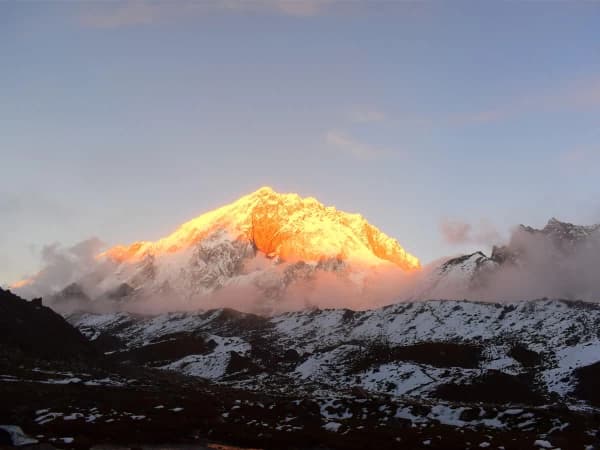
The best time for the Short 8 Days Everest Trek is spring (March-May) and autumn (September–December). During these seasons, the weather is stable, temperatures are moderate, and the skies remain clear, offering striking mountain views. The warm days and cool nights make trekking comfortable, while the predictable conditions help ensure smooth helicopter flights for those taking the 8-day EBC Trek and Heli Return.
While some trekkers visit in winter, extreme cold, and heavy snowfall can make the trek more challenging. On the other hand, summer (June–August) brings frequent rain, making trails slippery and reducing visibility for both trekkers and helicopters.
For the best experience, plan your trek in spring or autumn. These months provide the perfect balance of good weather, incredible scenery, and safe trekking conditions, making your 8-day EBC Express Trek an extraordinary journey.
Food and Accommodation on Short 8 Days Everest Trek
During the 8-Day EBC Express Trek, you’ll stay in cozy tea houses and lodges that offer a warm and welcoming experience. These accommodations provide basic yet comfortable rooms, usually with shared facilities such as beds, pillows, blankets, and small tables. While some lodges have attached bathrooms, higher-altitude locations primarily have shared restrooms. Additional services like Wi-Fi, hot showers, and charging stations are available for an extra cost.
The food on this short trek to Everest Base Camp is nutritious and designed to keep you energized. You’ll enjoy a mix of traditional Nepalese meals and familiar international dishes. Breakfast options include bread, eggs, porridge, and pancakes, while lunch and dinner feature hearty meals like dal bhat (rice with lentils), noodles, pasta, dumplings, and soups. A variety of hot and cold beverages, including tea and coffee, are also available to keep you refreshed.
Since this is a fast-paced EBC Trek with acclimatization, maintaining a balanced diet and staying hydrated is crucial. The lodges provide fresh, locally sourced meals that help you stay strong throughout the journey. With the added convenience of a helicopter return from Gorakshep, the 8-day EBC Trek and Heli Return allows you to enjoy the adventure without the long walk back.
A Typical Day During the 8-day EBC Trek and Heli Return
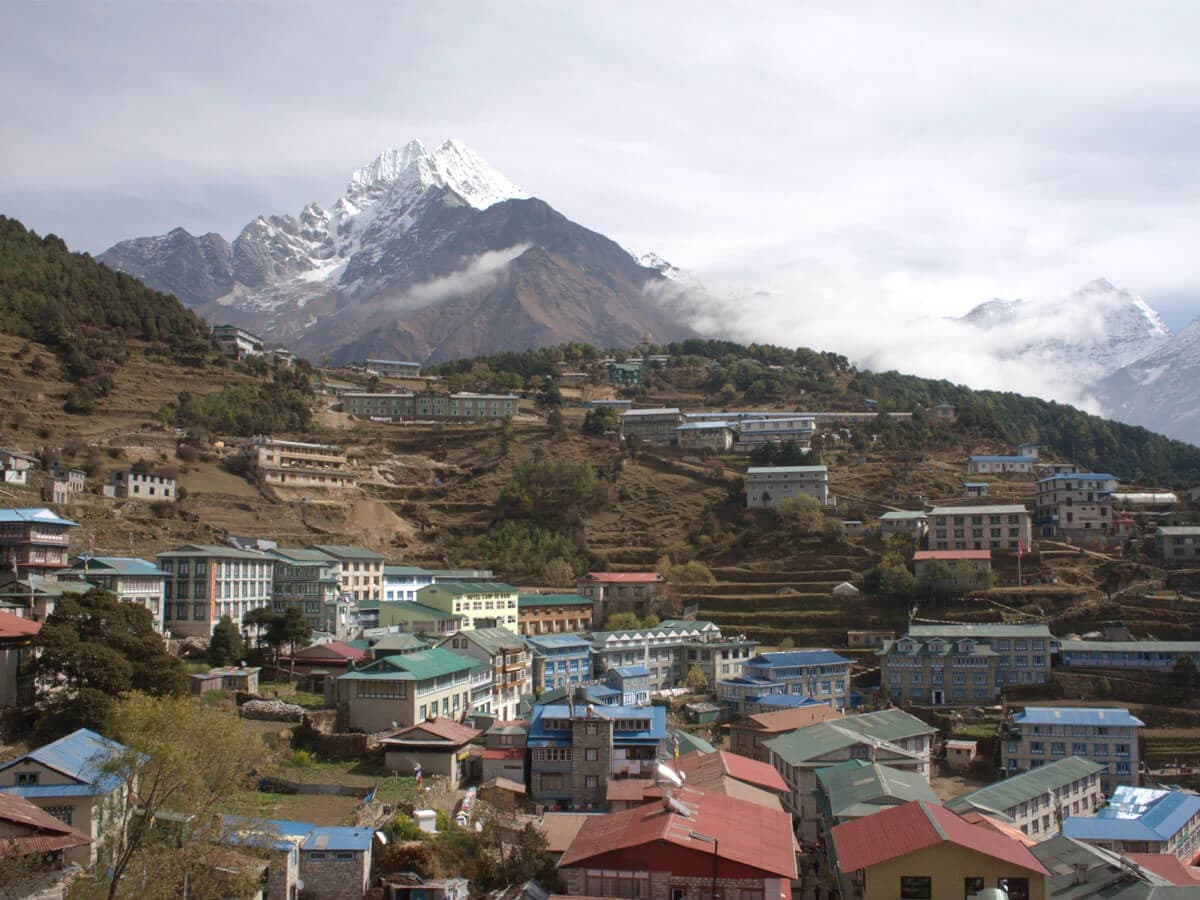
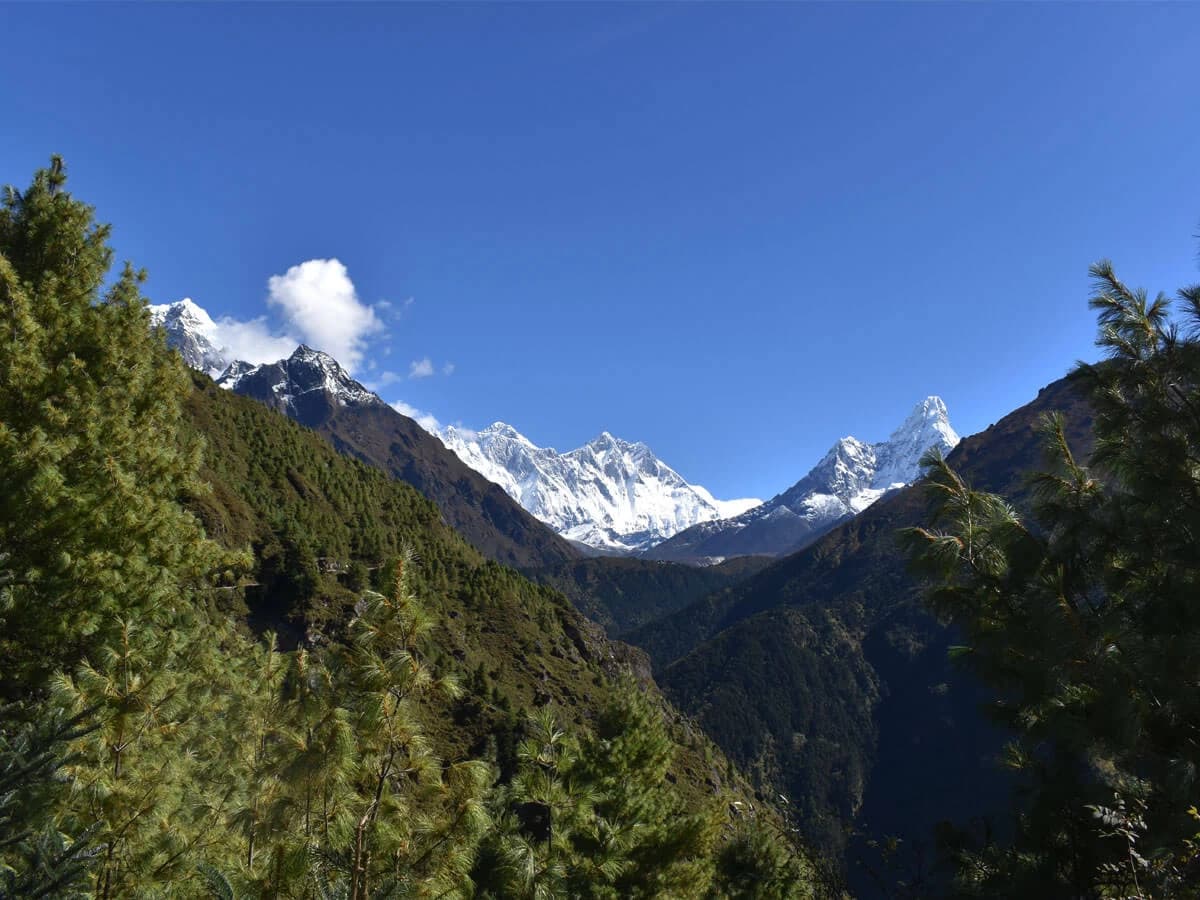
Each day on the Short 8 Days Everest Trek starts early with a warm breakfast at your tea house or lodge. While you enjoy your meal, your guide will provide a short briefing about the day’s trek, covering the route, expected weather, and key highlights. Once you're ready, you’ll set off on the scenic trails, passing through charming villages, lush forests, and amazing landscapes.
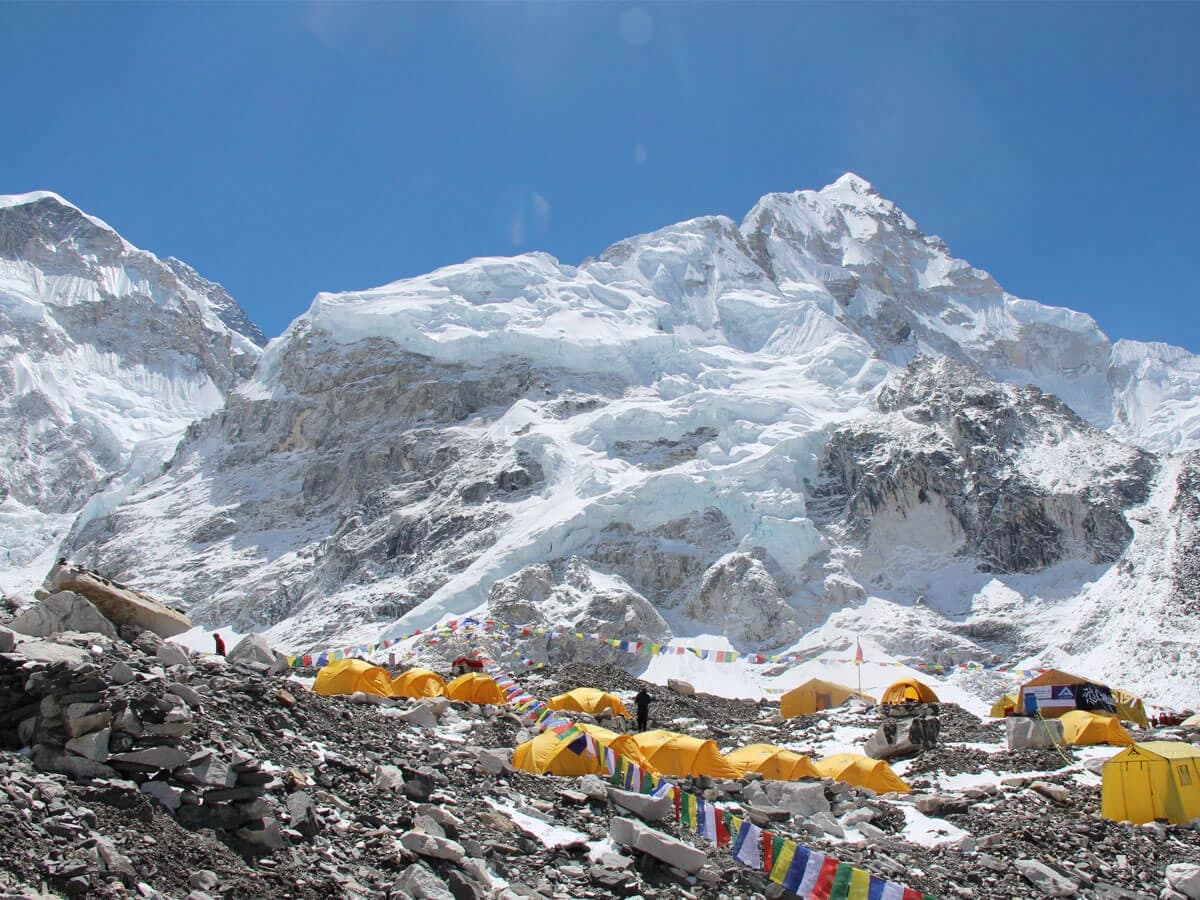
As part of this fast-paced EBC Trek with acclimatization, you’ll walk at a steady pace, taking breaks to admire the stunning views and capture photos. Along the way, you'll also experience the unique Sherpa culture and might spot diverse wildlife within Sagarmatha National Park. Colorful prayer flags fluttering in the wind add to the magical atmosphere of the journey.
Around midday, you’ll stop at a tea house or small hotel for a well-deserved lunch. This break allows you to refuel and soak in the mountain scenery before continuing your adventure. Your guide will also share insights about the landmarks you pass along the way. By late afternoon, you’ll reach your next accommodation, where you can relax and unwind. Before dinner, you can interact with fellow trekkers, explore nearby villages, or simply enjoy the peaceful surroundings.
After your meal, you'll rest and recharge for the next day's trek. Before sleep, however, your guide will check in on your health, assess your appetite, and conduct a daily review. Additionally, they will check your oxygen levels with an oximeter to ensure you're adapting well to the altitude.
Permits for the 8-Day EBC Express Trek
To trek to Everest Base Camp, you'll need three permits: the Sagarmatha National Park Permit, the Khumbu Pasang Lhamu Rural Municipality Permit, and a TIMS card. The Sagarmatha National Park Permit can be obtained at the Nepal Tourism Board Office in Kathmandu or at the entrance in Lukla. The Khumbu Pasang Lhamu Rural Municipality Permit, however, is only available at the entrance point in Lukla.
Additionally, children under 10 years old do not need any permits to enter the Sagarmatha National Park. Below is a table showing the entry fee details for all these permits:
|
Permits
|
Price of Foreigners
|
Price for SAARC Members
|
|
Sagarmatha National Park
|
NPR 3000
|
NPR 1500
|
|
Khumbu Pasang Lhamu Rural Municipality
|
NPR 3000
|
NPR 2000
|
|
Trekkers Information Management System Card (TIMS)
|
NPR 2000
|
NPR 1000
|
Note: Himalayan Massif Trek will arrange all necessary permits, with respective fees included in the booking price.
Flight Delays and Transportation
Himalayan Massif Trek provides domestic airport pickup and drop-off services for your Everest Base Camp Trek 8 Days adventure.
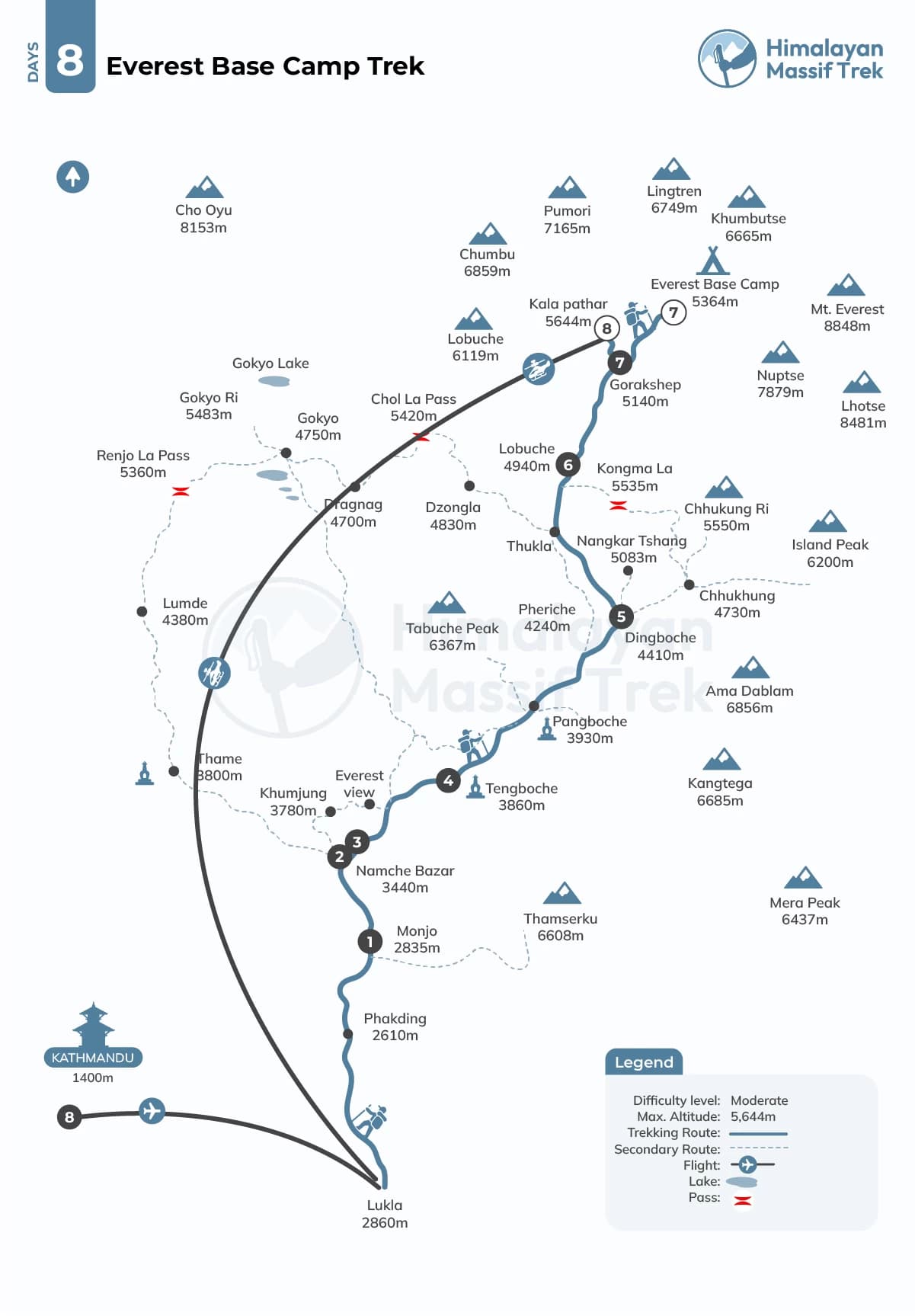
For this trek, you'll fly to Lukla - either from Ramechhap (from March to May and October to November) or directly from Kathmandu (during the other months). After reaching Everest Base Camp, you'll return by helicopter directly from Gorakshep to Kathmandu, with a brief stop at Lukla Airport. This is part of the 8-Day EBC Trek and Heli Return, ensuring a quick and scenic return after your adventure.
Since your flight to Lukla depends on the weather, it can sometimes be affected by changes in conditions. In the Spring and Autumn seasons, the chances of delays or cancellations are lower, but sudden weather shifts can still cause disruptions.
Hence, to be prepared, we suggest adding one or two extra days to your itinerary in case of any flight delays or cancellations. This is especially important for those on the short 8-day Everest Trek, where time is limited, and you may want to avoid unnecessary delays.