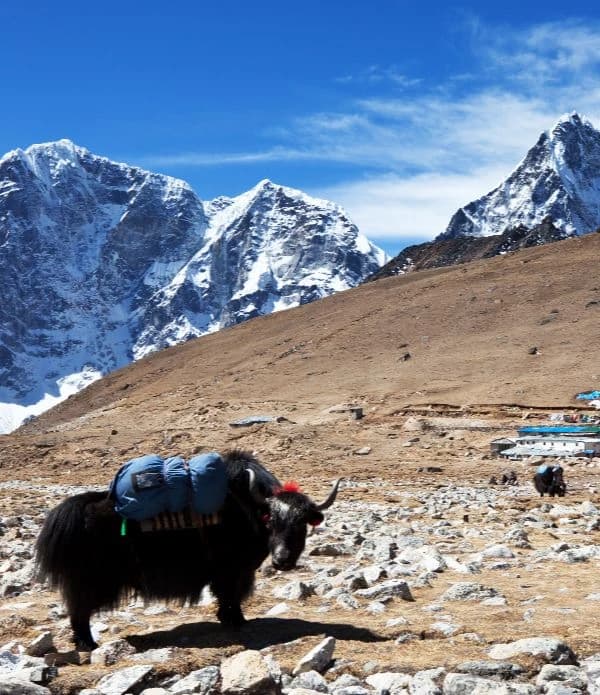
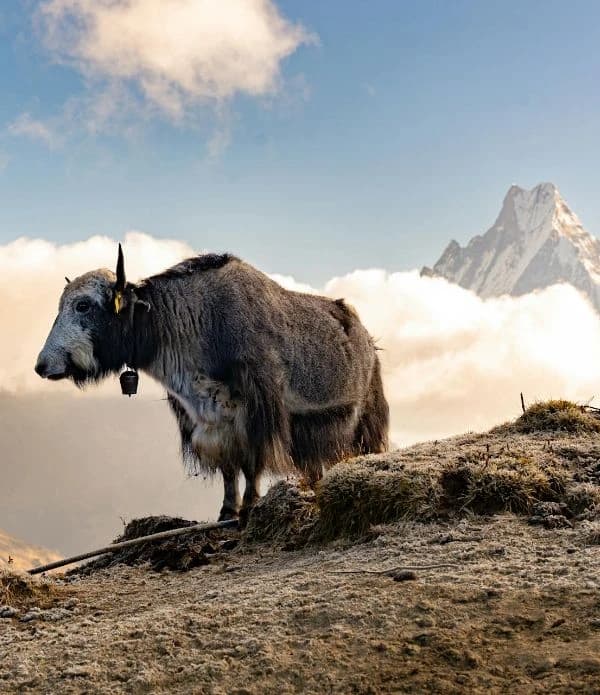
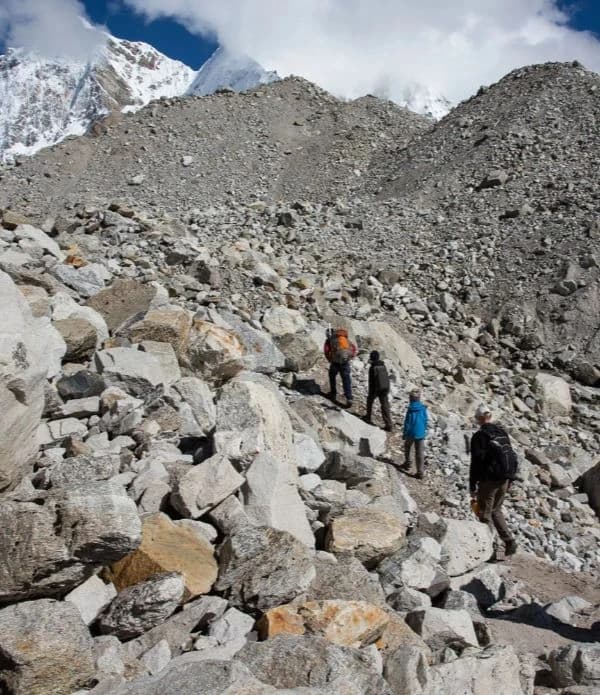
Whether you're a first-timer or a seasoned hiker, there’s a perfect adventure waiting for you in Nepal. From the classic trails to Everest to the peaceful beauty of the Manaslu Circuit, Nepal has something for everyone.
Let’s dive in and find your perfect 2026 spring journey in Nepal!
Reasons to Trek in Nepal During Spring
Spring (March to May) is known as the best season for trekking in Nepal — and for good reason. The weather is pleasant, the mountains are clear, and the trails are alive with color. Plus, the welcoming local culture adds depth and meaning to every trek.
Here’s why spring should be at the top of your trekking calendar:
1. Best Weather for High-Altitude Treks
Spring brings mild temperatures and clear skies, making it ideal for trekking at any altitude. The harsh winter cold has passed, and the snow at higher elevations is easier to cross before the summer monsoon arrives.
Whether you’re hiking to Everest Base Camp or crossing Thorong La Pass in Annapurna, spring gives you the perfect mix of warmth and visibility. Every turn rewards you with breathtaking mountain views.
2. Colorful Flora and Fauna
Spring is when Nepal’s nature bursts to life. Hillsides glow with red, pink, and white rhododendrons, while primulas, orchids, and other wildflowers add touches of yellow and purple.
Golden terraced fields shimmer in the sunlight, and forests fill with the sounds of birds and wildlife. Step onto these vibrant trails and experience Nepal’s natural beauty at its best.
3. Cultural Festivals
Spring is also a time of celebration in Nepal. Along your trek, you might join locals in festivals like Holi, the festival of colors, Nepali New Year (Baisakh), and Buddha Jayanti. You’ll hear music, smell incense, and see villages come alive with laughter and color.
Beyond the views and adventure, you’ll experience village life up close. You’ll see the traditions, rituals, and joyful celebrations that make Nepal’s culture so special.
4. Excellent Photography Opportunities
Spring is the best time to capture Nepal’s beauty. Crisp blue skies, blooming forests, and lively village scenes make every step photo-worthy.
Wake up early to see crisp, snow-capped peaks glowing in the morning light. Stay out for sunset to watch golden rays paint the valleys below. Don’t forget your camera — every moment feels like a postcard.
5. Easier Logistics and Teahouse Availability
Spring is a busy trekking season, but it’s less crowded than autumn. Trails are peaceful, and teahouses are open and ready to welcome travelers.
The stable weather makes flights to mountain airstrips like Lukla and Jomsom more reliable. Most lodges, shops, and services along the trails are fully open, making travel smooth for both new and experienced trekkers. With everything in your favor, there’s no better time to explore Nepal’s trails.
Best Spring Treks in Nepal for 2026
Nepal offers countless trekking routes, but some shine brightest in spring. From the legendary paths of Everest to the hidden valleys of Manaslu and Tsum, every region reveals a different side of the Himalayas this time of year.
Here’s a curated list of the best spring treks in Nepal for 2026 — whether you’re chasing iconic peaks or quiet mountain trails.
1. Everest Base Camp Trek
Duration: 12–14 days
Difficulty: Moderate to challenging
Highlights: Namche Bazaar, Tengboche Monastery, Everest Base Camp, Kala Patthar viewpoint, Khumbu Glacier
Spring is when the Everest region feels most alive. Brilliant Himalayan skies reveal the full glory of Everest, Lhotse, and Ama Dablam, while rhododendrons brighten the trails below Namche. Villages buzz with Sherpa hospitality, and the air is filled with excitement as mountaineers prepare for summit attempts. It’s the ultimate Himalayan adventure at its most beautiful.
2. Gokyo Lakes Trek
Price from
US$1350
US$1550
Discounted
Duration: 10–15 days
Difficulty: Moderate
Highlights: Turquoise Gokyo Lakes, Gokyo Ri viewpoint, Cho Oyu, and Everest views
If you want Everest views without the crowds, head to the stunning Gokyo Valley. Spring offers crystal-clear reflections on the turquoise lakes and bright blue skies that make every photo sparkle. The climb up Gokyo Ri rewards you with one of the best panoramas in Nepal — stretching from Everest to Makalu.
3. Everest Three High Passes Trek
Duration: 18–20 days
Difficulty: Challenging
Highlights: Renjo La, Cho La, and Kongma La passes, panoramic views of four 8,000m peaks
For experienced trekkers, this route delivers the ultimate Everest-region challenge. Spring’s stable weather makes it the safest and most rewarding time to cross all three high passes. The journey connects remote Sherpa settlements and offers jaw-dropping views from every ridge, with fewer trekkers and more solitude.
4. Annapurna Base Camp Trek
Duration: 5–10 days
Difficulty: Moderate
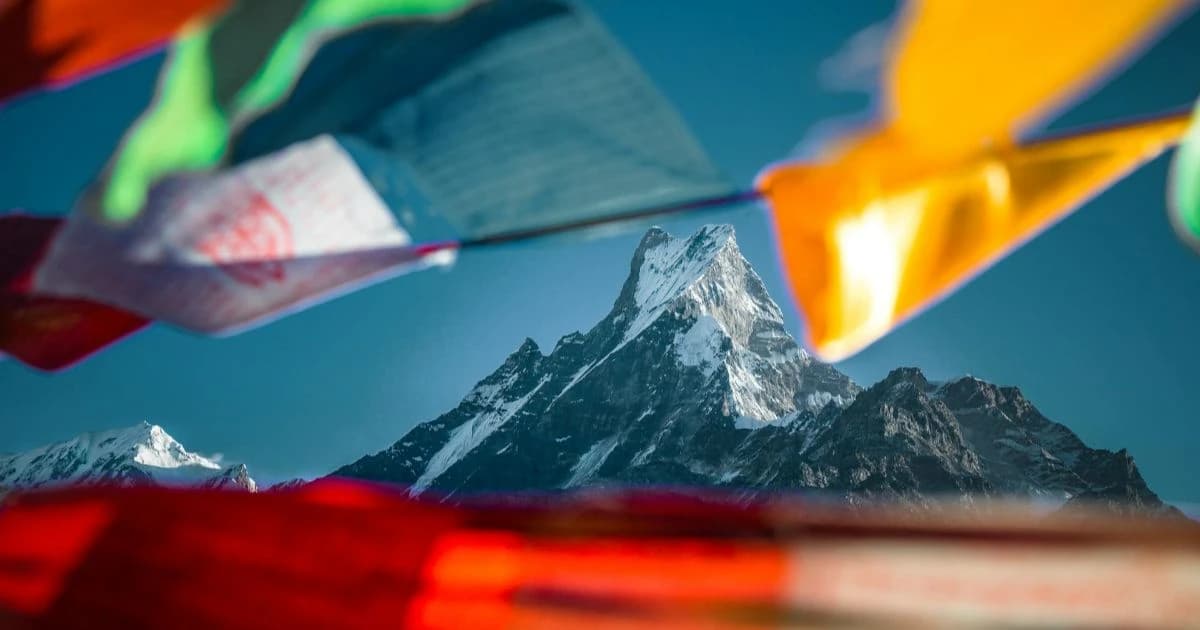
Highlights: Annapurna Sanctuary, Machapuchare (Fishtail) Peak, Gurung villages
This classic trek is at its most colorful in spring. Trails wind through rhododendron forests glowing red and pink, leading to the breathtaking amphitheater of the Annapurna Sanctuary. Warm days and crisp mornings make trekking comfortable, and the welcoming Gurung villages along the way offer a taste of Nepal’s rich hospitality.
5. Annapurna Circuit Trek
Duration: 10–14 days
Difficulty: Moderate to challenging
Highlights: Thorong La Pass, Manang, Muktinath Temple, shifting landscapes
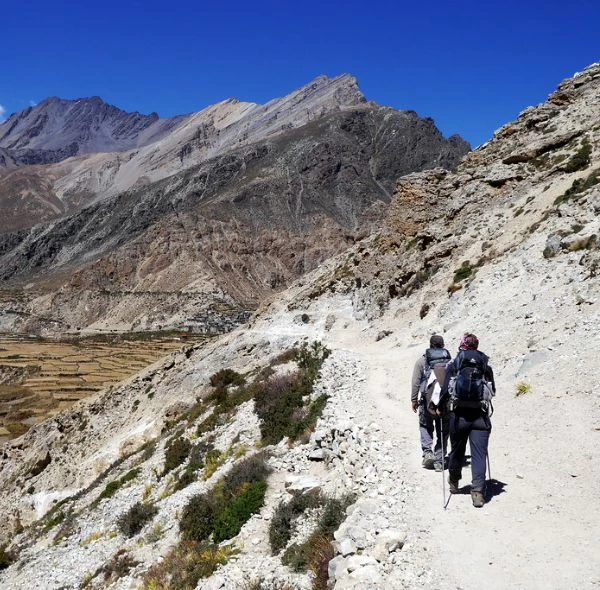
Few treks in the world match the diversity of the Annapurna Circuit. In spring, you’ll walk from lush subtropical valleys to arid Himalayan plateaus, all under sunlit horizons and mild weather. The crossing of Thorong La Pass is tough but deeply rewarding, with endless mountain views waiting on the other side.
6. Nar Phu Valley Trek
Duration: 10–12 days
Difficulty: Moderate
Highlights: Hidden Tibetan villages, rugged canyons, ancient monasteries
For trekkers seeking offbeat adventure, the Nar Phu Valley offers a rare look into untouched Himalayan life. Spring brings warmer days and dry trails, making the journey to these high, isolated villages more comfortable. The dramatic cliffs, stone houses, and centuries-old monasteries feel like stepping back in time.
7. Tilicho Lake Trek
Duration: 10–14 days
Difficulty: Moderate to challenging
Highlights: Tilicho Lake (4,919m), Annapurna massif views, rugged alpine terrain
Sitting at over 4,900 meters, Tilicho Lake transforms into a breathtaking sight in spring. As the ice melts, turquoise waters glimmer beneath the towering Annapurna peaks. Stable weather brings safer crossings and stunning reflections, making this trek a dream for photographers and adventure seekers alike.
8. Manaslu Circuit Trek
Duration: 10–13 days
Difficulty: Challenging
Highlights: Larke Pass, remote villages, pristine Himalayan views
Often called “the next Annapurna,” the Manaslu Circuit offers everything a trekker could dream of — high passes, diverse cultures, and fewer crowds. Spring brings bright mountain mornings and moderate temperatures, ideal for tackling the Larke Pass. The region’s isolation adds a sense of true wilderness that few other trails provide.
9. Tsum Valley Trek
Duration: 11–18 days
Difficulty: Moderate to challenging
Highlights: Sacred Buddhist monasteries, Tibetan culture, Ganesh Himal views
Known as the “Valley of Meditation,” Tsum is deeply spiritual and visually stunning. Spring transforms the meadows with wildflowers, and the air carries the chants of distant monasteries. Trekking here feels peaceful and personal, with a rare glimpse into Tibetan Buddhist traditions that have thrived for centuries.
10. Langtang Valley Trek
Duration: 7–8 days
Difficulty: Moderate
Highlights: Kyanjin Gompa, Langtang Lirung, yak pastures
Close to Kathmandu yet rich in mountain scenery, Langtang Valley is ideal for those short on time. In spring, the forests bloom, and the trails reopen after winter snows. You’ll walk past yak herders, ancient monasteries, and panoramic viewpoints — all within a week’s trek from the capital.
Essentials for Trekking in Nepal
Before setting off on your spring adventure, it’s important to pack smart and prepare properly. Having the right gear and permits makes your trek safer, smoother, and far more enjoyable.
Here’s everything you need to know before hitting the trails.
1. Gear Checklist
Spring weather in Nepal can change quickly — warm days, chilly nights, and the occasional pre-monsoon shower. Pack in layers and prepare for both sun and snow.
Essential items include:
Trekking boots: Sturdy, waterproof, and well broken-in for long climbs and descents.
Layered clothing: Base layer for warmth, fleece or down jacket for insulation, and a lightweight shell for wind and rain protection.
Rain gear: A waterproof jacket or poncho is a must for sudden spring showers.
Trekking poles: Helpful for balance and reducing knee strain on steep trails.
Backpack (30–40L): Big enough for daily essentials, snacks, and extra layers.
Sleeping bag: Rated for at least –10°C, as nights at higher altitudes can still be cold.
Sun protection: Hat, sunglasses, and high-SPF sunscreen — the mountain sun is strong!
Water bottle or hydration system: Stay hydrated and carry purification tablets or a filter.
Headlamp: Useful for early starts and power outages in teahouses.
Tip: Keep your pack light but well-organized — everything you carry should serve a clear purpose.
Read our detailed guide on Buying and Renting Trekking Gear in Nepal to learn where to shop, what’s worth renting, and how to spot good-quality gear.
2. Trekking Permits
Every trek in Nepal requires certain permits, depending on the region. These help conserve the trails and support local communities.
Here’s what you’ll typically need:
TIMS Card (Trekkers’ Information Management System): Required for most trekking routes across Nepal.
National Park or Conservation Area Entry Permit: Needed for areas like Sagarmatha (Everest), Annapurna, and Langtang.
Restricted Area Permits: For treks like Manaslu, Nar Phu, and Tsum Valley, you must obtain special permits through a registered trekking agency.
Always carry a few passport-sized photos and a copy of your passport when applying for these permits.
3. Recommended Travel Insurance
Travel insurance isn’t mandatory for all treks, but it’s highly recommended — especially for high-altitude routes. Choose a policy that covers:
- Emergency helicopter evacuation
- High-altitude coverage up to at least 6,000 meters (19,685 feet)
- Medical expenses at altitude
- Trip cancellation or interruption
Healthcare and rescue operations in the Himalayas can be expensive. Having proper insurance gives peace of mind so you can focus on the experience, not the risks.
Read our complete Nepal Travel Insurance Guide to find the best coverage options, compare trusted providers, and understand what to look for before your trek.
4. Bonus Tips for Trekkers
Train in advance: Even moderate treks involve long walking days. Build stamina with regular hiking or cardio.
Acclimatize gradually: Take rest days on longer treks to avoid altitude sickness.
Respect local customs: Always greet with “Namaste,” dress modestly, and ask before photographing people.
Challenges Faced While Trekking in Spring
Even the most beautiful trekking season comes with its share of challenges. Knowing what to expect helps you prepare better and enjoy your adventure without surprises.
1. Unpredictable Weather
Spring offers unclouded views and mild temperatures, but sudden changes are common — from light rain in the lower regions to fresh snow at higher altitudes. Always pack rain gear and extra layers to stay dry and warm.
2. Crowded Popular Routes
Famous trails like Everest Base Camp and Annapurna Base Camp attract more trekkers in spring. Teahouses fill up quickly, especially in peak weeks (April–May), so book accommodations and flights in advance to avoid last-minute stress.
3. Leeches and Slippery Trails
In mid-altitude regions with lush vegetation, especially during late spring, you might encounter leeches or slippery paths after rainfall. Carry salt or insect repellent and wear proper trekking boots for grip and comfort.
4. Flight Delays and Cancellations
The weather in mountain regions like Lukla and Jomsom can change fast, causing delays or cancellations. Keep some buffer days in your itinerary to avoid missing connections or feeling rushed.
5. Limited Availability During Peak Weeks
Spring is a peak trekking season, and popular routes can get fully booked. Plan early for permits, guides, and teahouse stays to make sure your trip runs smoothly.
How to Choose the Right Trek for You
With so many options, picking the perfect trek in Nepal can feel overwhelming. The best route is the one that matches your experience, time, and interests. Here’s a simple guide to help you decide:
1. Consider Your Experience Level
Beginner Trekkers: Choose moderate, well-marked trails like Annapurna Base Camp or Langtang Valley. These treks have teahouses along the way and manageable altitudes.
Advanced Trekkers: Go for longer, more challenging routes like the Everest Three High Passes, Manaslu Circuit, or Nar Phu Valley for high-altitude adventure and offbeat trails.
2. Decide on Duration
Short Treks (3–5 days): Ideal if you have limited time — try Langtang Valley or short Annapurna routes.
Moderate Treks (7–10 days): Great for balancing adventure and comfort — Annapurna Base Camp or Tilicho Lake fit this perfectly.
Long Treks (14+ days): For serious trekkers seeking deep Himalayan immersion — Everest Base Camp, Annapurna Circuit, or Manaslu Circuit are top picks.
3. Think About Region Preference
Everest Region: Iconic high peaks, Sherpa culture, and trekking milestones.
Annapurna Region: Scenic diversity, cultural richness, and moderate difficulty.
Manaslu Region: Remote wilderness, less crowded trails, and challenging terrain.
Langtang Region: Close to Kathmandu, shorter treks, and peaceful valley landscapes.
4. Balance Culture vs. Wilderness
If you love local culture and village life, treks in Tsum Valley, Nar Phu, or Annapurna villages offer immersive experiences.
If you prefer solitude and untouched nature, Manaslu Circuit, Gokyo Lakes, and Everest Three High Passes provide remote and dramatic Himalayan landscapes.
Conclusion
Spring in Nepal is more than just a trekking season — it’s a celebration of life, color, and connection. The mountains stand clear and welcoming, villages come alive with laughter and festivals, and every trail offers something unforgettable.
Whether you dream of standing beneath Everest, wandering through rhododendron forests, or discovering remote Himalayan valleys, spring 2026 is your chance to make it happen. With the right preparation, respect for nature, and an open heart, Nepal will reward you with moments that stay long after the trek ends.
So lace up your boots, pack your sense of adventure, and get ready — the Himalayas are calling.

-(1).webp)